 City Guide · The Rock City on Lake Victoria
Mwanza
Tanzania’s second city, built among giant granite boulders on the shores of Africa’s largest lake — a historic gold-trading hub and the quiet gateway to the Serengeti’s western corridor.
Rock City,
Lake Victoria
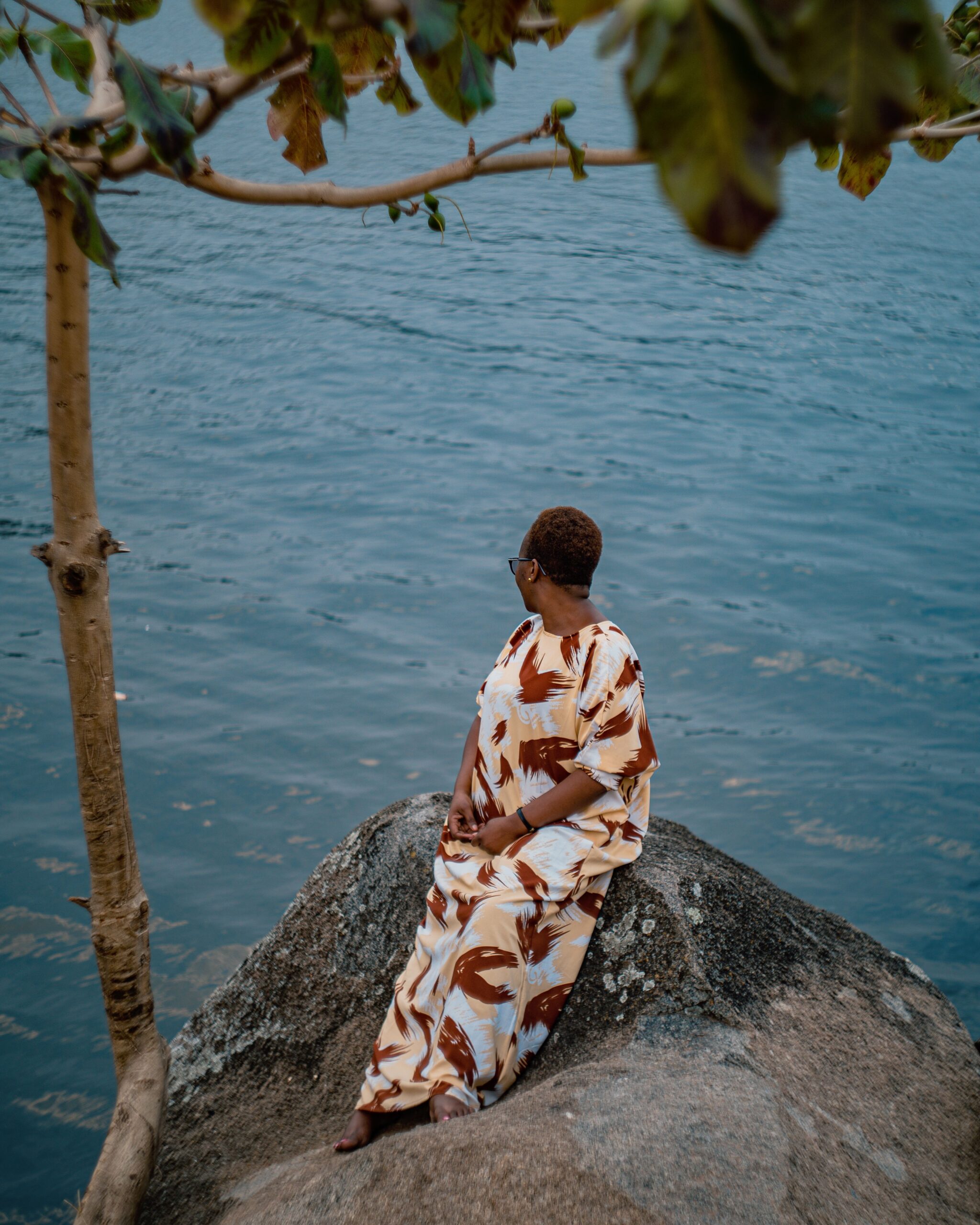
Mwanza earned its nickname “Rock City” from the huge granite boulders balanced across its hills and shoreline — nowhere more famous than Bismarck Rock, a giant stone seemingly balanced on a single point right at the water’s edge. The city has been a trading and gold-mining hub for generations, sitting close to some of East Africa’s richest goldfields, and remains the cultural heart of Sukumaland, home to the Sukuma people, Tanzania’s largest ethnic group.
Most travellers pass through Mwanza as the quieter, less-touristed gateway to the Serengeti’s western corridor and Rubondo Island National Park — but the city rewards a day or two on its own, especially for anyone drawn to Lake Victoria itself, Africa’s largest lake and the source of the Nile.
The pace here is different from the coast or the safari circuit — a real working lake city, not built for tourism, which is exactly what makes it worth seeing.
Quick Facts
Where to Base
Yourself
A compact city — most areas that matter to visitors are a short drive or walk from the lakefront.
Beyond the
Safari Transit
Give Mwanza a day of its own before or after the western Serengeti.
A giant granite boulder balanced at the lake’s edge — Mwanza’s most photographed landmark, especially at sunset.
Tanzania’s smallest national park, a short boat ride from the city — walkable trails past impala and rock hyrax.
Traditional homesteads, royal drums and dance performances celebrating the culture of the Sukuma people.
Find What
You Need
Search verified accommodation, dining and transport in Mwanza directly.