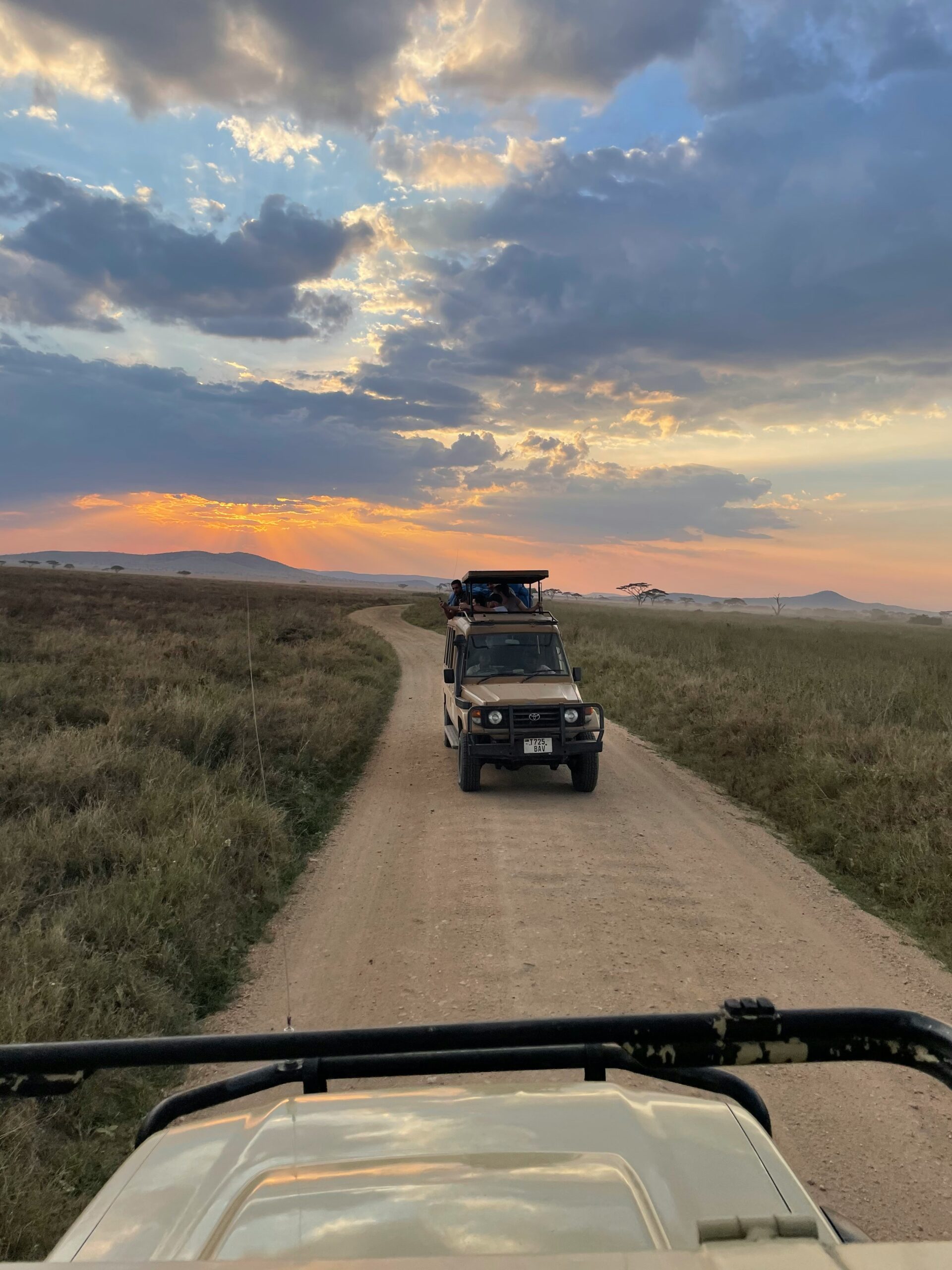
 Northern Circuit · The Endless Plains
Serengeti
The most famous safari destination on earth — home to the Great Migration, and grasslands that stretch to the horizon in every direction.
Where to Go,
and When
“Serengeti” comes from the Maasai word for endless plains — and the park lives up to it, stretching from central Tanzania to the Kenyan border. Its defining feature is the Great Migration: roughly two million wildebeest and zebra moving in an endless annual circuit chasing fresh grazing and water.
Where you should stay depends entirely on when you visit. The Southern plains (near Ndutu, technically Ngorongoro Conservation Area) host the migration’s calving season from December to March. The Western Corridor sees the migration pass through around May and June, en route toward the north — and connects conveniently toward Mwanza and Lake Victoria. The Northern Serengeti, along the Mara River, is famous for dramatic crossings from roughly July to October. Seronera, in the centre, has resident wildlife and reliable big cat sightings all year round.
Quick Facts
Four Zones,
One Migration
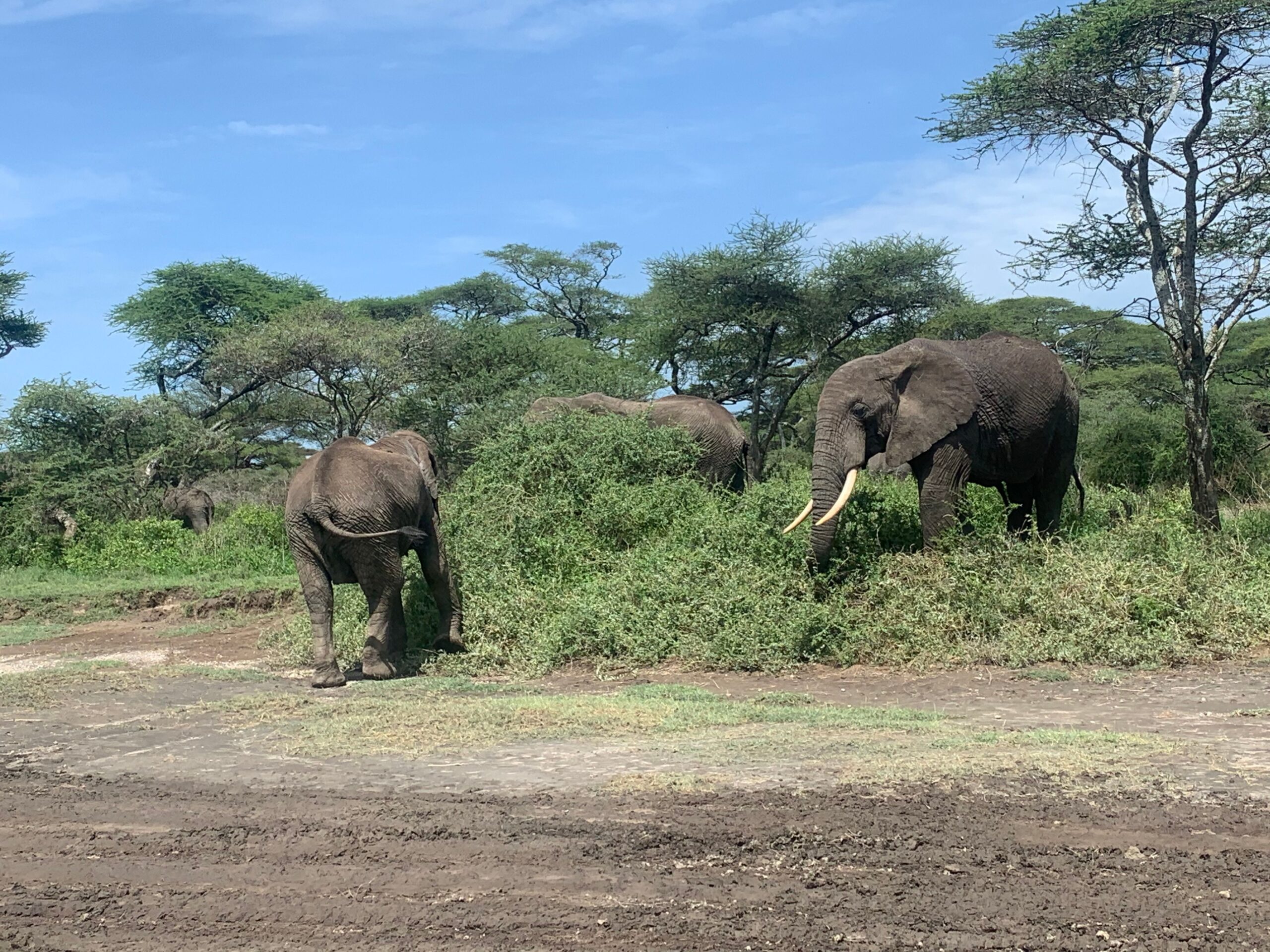
What You Need
to Know
All Serengeti safaris depart from Arusha — either by road (4–6 hours to the western gate) or by domestic flight to the Seronera or Lobo airstrips inside the park. A domestic flight is significantly faster and adds to the safari experience. Flying in and driving out (or vice versa) is a popular combination.
All Serengeti safaris require a licensed operator — you cannot drive independently inside the park in a rental vehicle. Group joining safaris (4–6 people sharing a vehicle) are the most affordable option. Always check for TALA registration before booking.
Serengeti National Park charges daily entry fees per person — set by TANAPA (Tanzania National Parks Authority) and collected in USD. They are non-negotiable and paid on top of your safari operator cost. Multi-day safaris mean multiple days of fees — factor this into your total budget.
Lodges and tented camps inside the Serengeti are dramatically more expensive than camps just outside the boundary. Inside camps offer 24-hour game access and no daily gate commute. Outside camps cost less but add a morning drive to the gate. Both are valid — budget versus experience.