 Island Guide · The Spice Archipelago
Zanzibar
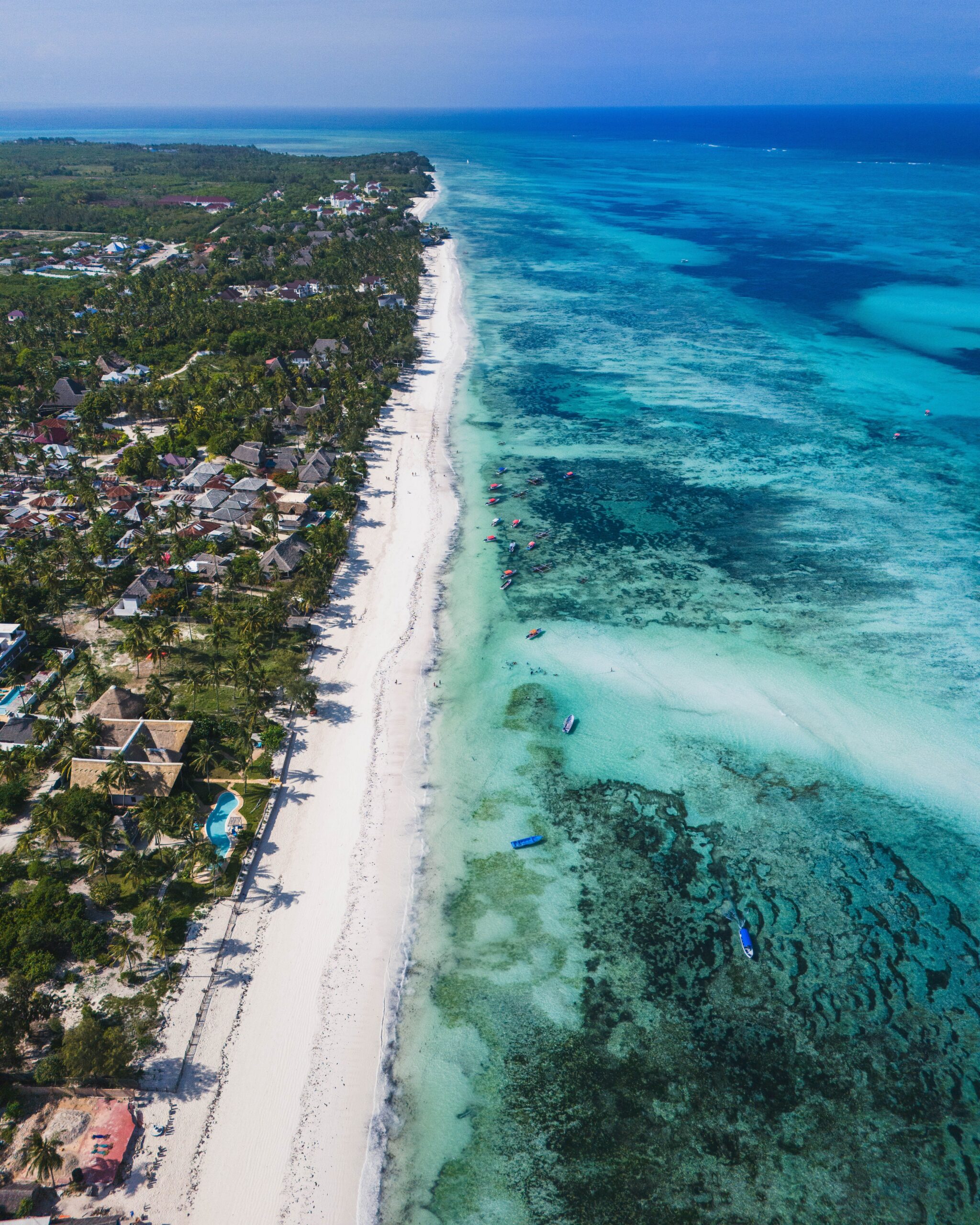
White sand, warm water, and a Stone Town skyline that hasn’t changed much in two hundred years — reachable from Dar es Salaam by a two-hour ferry or a thirty-minute flight.
One Island,
Several Moods
Zanzibar is really two experiences stacked on one island. Stone Town, on the west coast, is a dense maze of coral-stone buildings, carved doors and rooftop cafés — a place for walking, getting mildly lost, and eating well. The east and north coasts are where the postcard beaches are: turquoise water over a shallow reef, tides that swing dramatically, and a slower pace entirely.
Most visitors split their time: two or three nights in Stone Town, the rest on the coast. The island is small enough that nowhere is more than a two-hour transfer from the airport.
Zanzibar is semi-autonomous within Tanzania and predominantly Muslim — modest dress is appreciated away from resort beaches, particularly in Stone Town.
Quick Facts
Zanzibar is Bigger
Than it Looks
Most tourists book one hotel for the whole island. Here is what locals know about planning by zone.
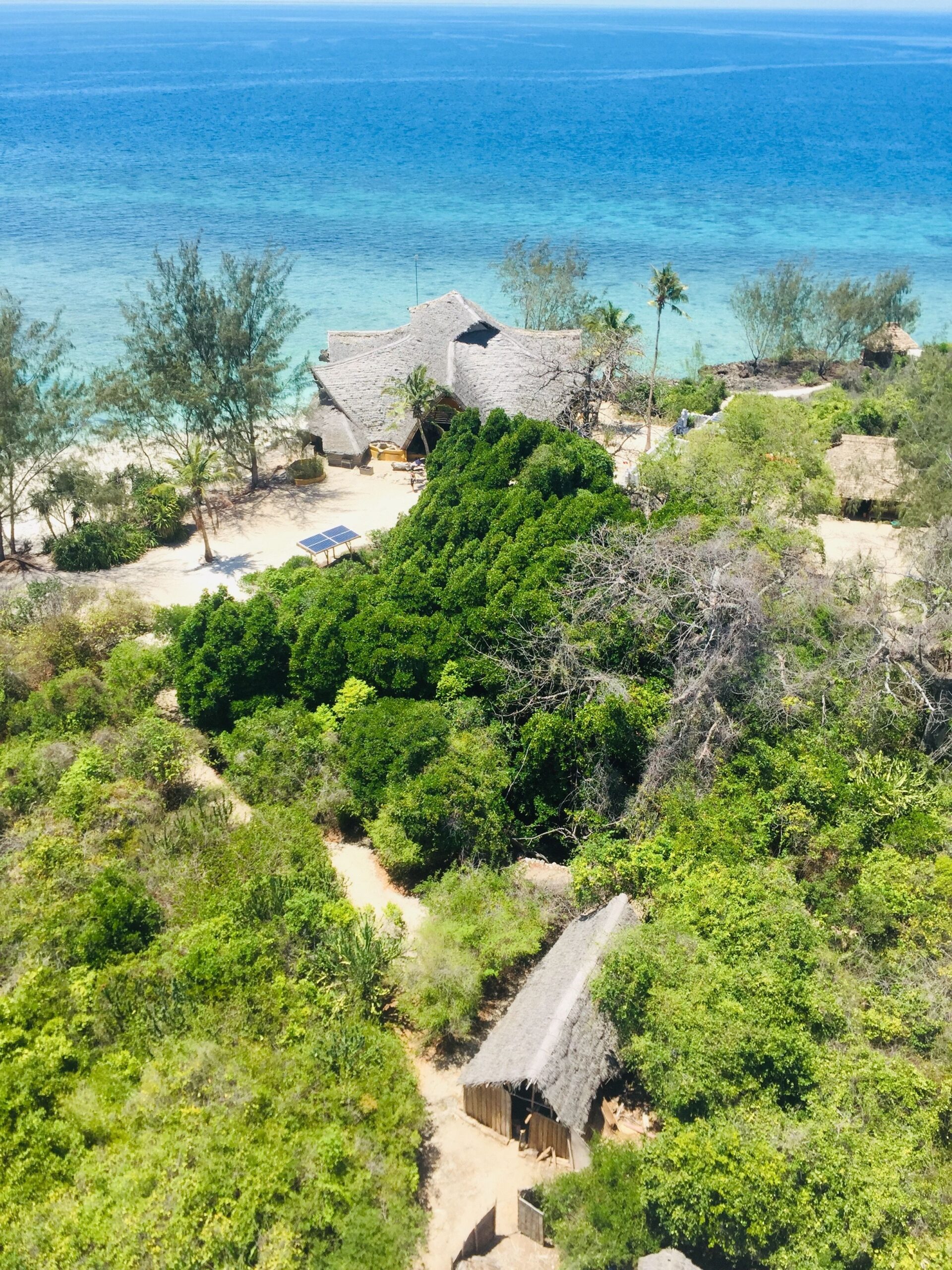
Honest note: Noisy, atmospheric, not a beach destination — and famously full of friendly stray cats, fed daily by shopkeepers and residents. Harmless and part of the charm, but treat them as strays, not pets.
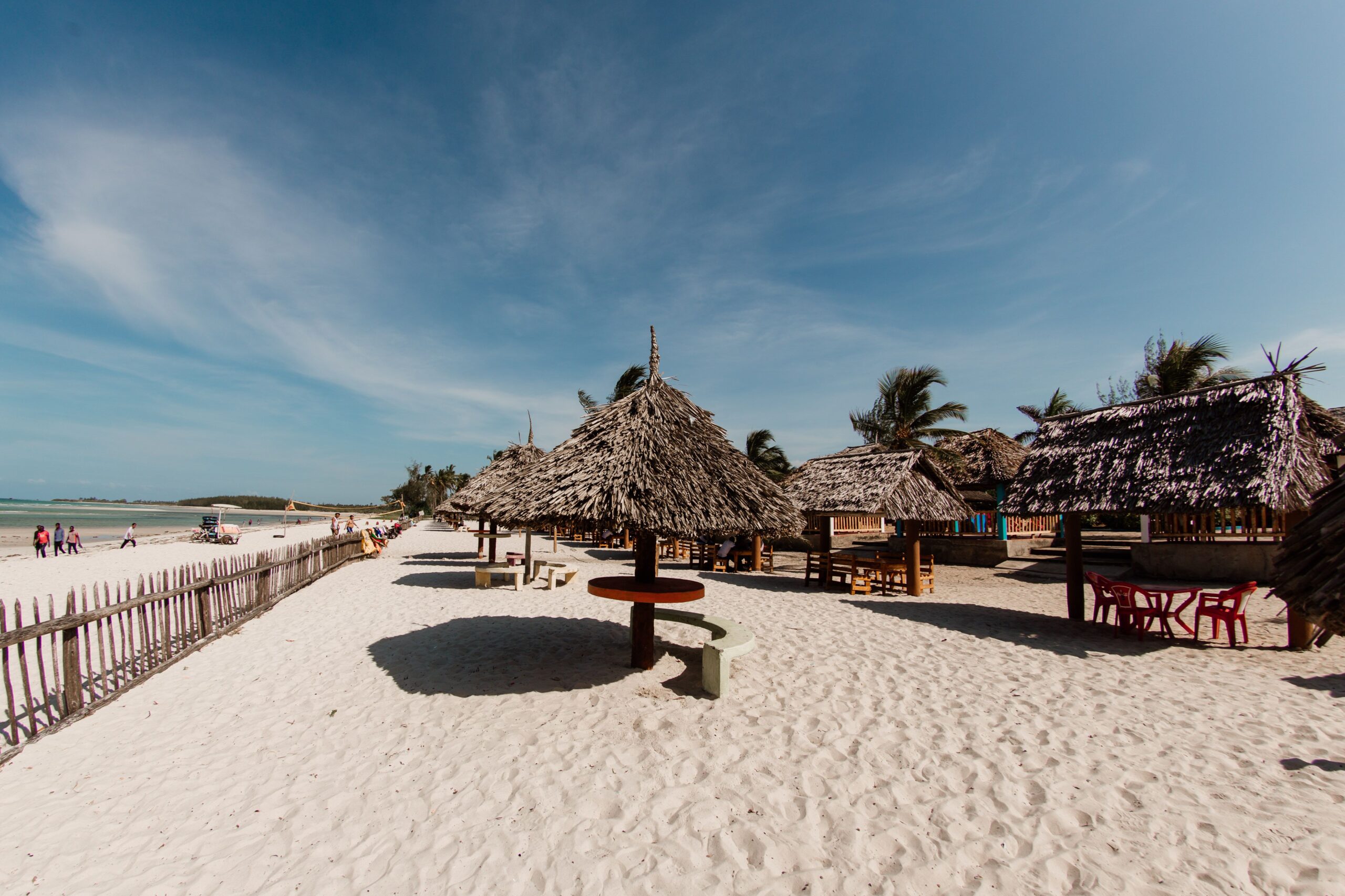
Honest note: Most touristy area, highest prices, furthest from the ferry.
Honest note: Tidal beach — low tide exposes a lot of sand.
Honest note: Limited nightlife, very peaceful.
Honest note: About 20km from Stone Town — roughly 20–30 minutes by car. Few restaurants outside your lodge; this is a base for boat trips, not nightlife.
On the
Water
A protected atoll off the northeast coast with some of the clearest reef water in East Africa. Half-day boat trips run from Matemwe and Nungwi.
A traditional wooden sailboat out of Stone Town or Nungwi at golden hour — the classic Zanzibar evening, often with fresh seafood on board.
Shallow lagoons and steady trade winds make Paje one of East Africa’s best kitesurf spots, with schools for complete beginners.
On
Land
Clove, cardamom and vanilla growing wild — the trade that gave the island its name, still working today.

Narrow alleys, carved doors and centuries of Swahili, Omani and Indian history — best explored on foot with a licensed guide.
The island’s last natural forest, home to the red colobus monkey found nowhere else on earth.
Planning Notes
Book Mnemba trips a day ahead in high season (July–September) — boats fill fast. Stone Town is best walked early morning before the heat, with a guide who can unlock the smaller museums. Jozani opens at 7:30am; the monkeys are most active and least crowded in the first hour.
Entry Requirements
Nobody Mentions
Two things that catch visitors off guard — sort both before you land, not after.
Mandatory Travel Insurance
Since October 2024, every non-resident visitor to Zanzibar must hold Inbound Travel Insurance through the Zanzibar Insurance Corporation (ZIC) — separate from any travel insurance you already have, and separate from mainland Tanzania’s requirements. It’s checked on arrival.
Buy it only through the official portal — inbound.visitzanzibar.go.tz. Third-party resellers and lookalike sites exist; if you’re not on that domain, you’re not buying the real thing.
Planning Aerial Shots of the Beaches?
Drones aren’t a “just bring it and fly” item in Tanzania — a TCAA import permit is required before you land, and it needs to be sorted at least three weeks ahead (a month is safer). Arrive without one and it can be confiscated at the airport. Check the permit process →